
Japanese dragon tattoos symbolize power, wisdom, and a protective force that watches over those it considers worthy. Unlike western dragons, the Japanese dragon represents balance, good fortune, and the strength that comes from discipline and knowledge.
People choose this tattoo to represent personal power, spiritual protection, or a deep connection to Japanese culture and tradition. It suits anyone who carries strength quietly and leads with wisdom over force.
Japanese Dragon Tattoo Meaning
Power & Strength: Represents raw personal power channeled with control and intention, ideal for someone who leads with force but never loses their discipline.
Wisdom: Reflects deep knowledge earned through experience, suits someone who has lived enough to understand that real strength comes from the mind.
Protection: Symbolizes a powerful force watching over you and those you love, perfect for someone who sees themselves as a guardian of the people closest to them.
Good Fortune & Luck: Japanese dragons are bringers of prosperity and positive energy, ideal for someone stepping into a new chapter and calling in everything good.
Balance & Harmony: Reflects the ability to hold opposing forces — strength and gentleness, fire and water — suits someone who has found peace within their own contradictions.
Spiritual Connection: Represents a bridge between the physical world and something greater, perfect for someone with a deep spiritual practice or belief system.
Courage: Reflects the willingness to face what most people run from, ideal for someone who has walked into their greatest fear and came out the other side.
Transformation: Japanese dragons rise and evolve, representing a person who has shed old versions of themselves, suits someone who has outgrown who they used to be.
Honor & Integrity: Reflects a personal code of conduct that never bends regardless of circumstance, perfect for someone who lives by their own standards above everything else.
Japanese Dragon Tattoo Design Ideas
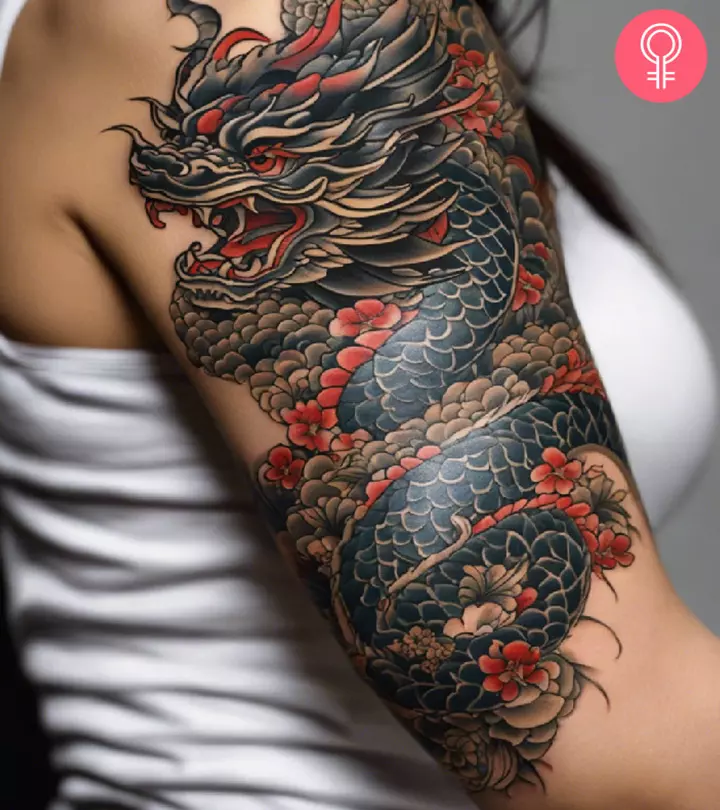
- Dragon wrapped around arm — Strength, personal power in motion
- Dragon with cherry blossoms — Power meets beauty, life and death
- Dragon with koi fish — Transformation, persistence rewarded
- Dragon with waves — Force, mastery over emotion
- Dragon with clouds — Spiritual power, wisdom above all
- Dragon with samurai — Honor, warrior spirit
- Dragon with peony flower — Good fortune, prosperity
- Full back dragon — Complete power, total transformation
- Dragon with rising sun — New strength, Japanese heritage
- Minimal dragon outline — Quiet power, subtle strength
Credit: www.stylecraze.com
Origins Of Japanese Dragon Tattoos
Japanese dragon tattoos have a rich history rooted in culture and tradition. These designs are more than just art. They tell stories of power, protection, and wisdom. Understanding their origin helps appreciate their deep meaning. The roots stretch back centuries into Japan’s past.
Dragons in Japan are different from Western dragons. They often symbolize water, strength, and good fortune. Their shapes and meanings come from ancient tales and beliefs. These tattoos carry the spirit of those stories on the skin.
Historical Roots In Japanese Culture
Dragons appeared in Japanese art and stories long ago. They were seen as guardians of nature and people. Samurai and warriors often admired them for their strength. Dragons also represented the emperor’s power and divine right.
In traditional Japanese tattooing, dragons became popular symbols. Artists used them to show courage and protection. These tattoos grew in style during the Edo period (1603–1868). They blended with other cultural symbols like koi fish and cherry blossoms.
Mythology And Folklore Influence
Japanese dragons often appear in myths and legends. They are usually water creatures controlling rivers and rain. Stories describe dragons as wise and kind, but also fierce defenders. Many myths tell of dragons helping heroes or punishing the wicked.
One famous dragon is Ryujin, the dragon god of the sea. He controls tides and holds a magical jewel. Tales about Ryujin inspire tattoo designs that symbolize power and protection. These stories give life and meaning to the tattoos.
Credit: thehangouttattoo.com
Symbolism Behind The Dragon
The dragon in Japanese culture is much more than a mythical creature. It holds deep meaning and symbolism. Many people choose dragon tattoos to express these powerful ideas. The dragon represents important qualities that inspire and protect.
Each part of the dragon’s image tells a story. The shape, colors, and style all carry messages. Understanding the symbolism behind the dragon helps to appreciate its strength and beauty. The tattoo is not just art but a symbol of great values.
Power And Strength
The Japanese dragon is a symbol of immense power. It shows strength that can overcome any obstacle. This power is not just physical but also mental. It inspires courage and resilience in difficult times. People wear dragon tattoos to feel strong and brave.
Wisdom And Protection
Dragons are known for their wisdom in Japanese stories. They are protectors of people and nature. The dragon watches over and guards against harm. It brings guidance and good luck. A dragon tattoo can be a sign of being wise and safe.
Balance And Harmony
Japanese dragons often represent balance in life. They control water, wind, and earth with harmony. This balance helps keep peace in the world. The dragon tattoo reminds us to find calm and order. It teaches respect for nature and others.
Design Elements And Styles
Japanese dragon tattoos are rich in detail and style. Their design elements tell stories and show deep meaning. These tattoos stand out due to their unique shapes and colors. Each part of the dragon has a special role in the overall design. The style and look can vary, but certain features remain common. Understanding these helps appreciate the tattoo’s art and meaning.
Common Features In Dragon Tattoos
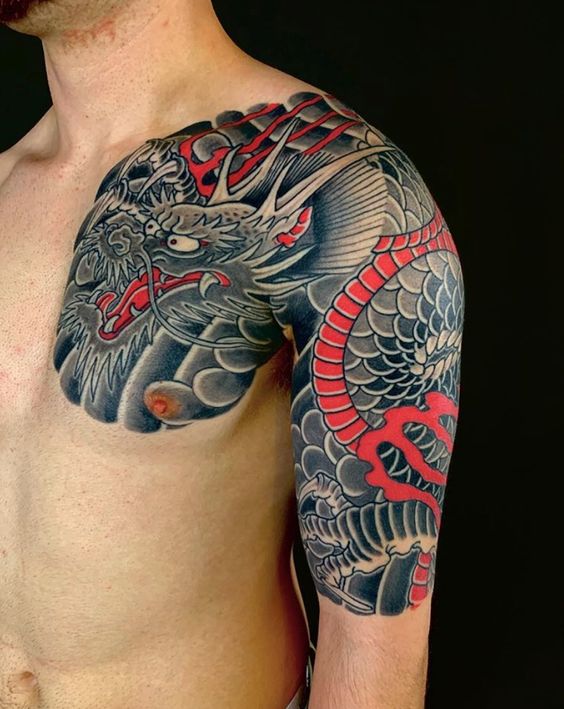
Japanese dragons often have long, snake-like bodies. They show scales that look like armor. Their claws are sharp and strong, symbolizing power. The head usually has whiskers and horns that look like deer antlers. Eyes are fierce and bright, showing wisdom. Some dragons have flames or water around them, showing their control over nature.
Color Significance
Colors in Japanese dragon tattoos carry clear meanings. Red dragons stand for strength and courage. Blue dragons represent calm and protection. Black dragons show wisdom and experience. Gold or yellow dragons are linked to wealth and good luck. Each color adds a layer of meaning to the tattoo, making it more personal and powerful.
Placement And Size Choices
These tattoos often cover large areas like the back or arm. The size shows the dragon’s power and importance. Small tattoos may fit on the wrist or ankle. Placement depends on how much detail is in the design. Large designs allow for more detail and colors. Placement also affects how the tattoo moves with the body’s shape.
Cultural Significance And Traditions
The cultural significance of Japanese dragon tattoos runs deep in history and tradition. Dragons symbolize power, wisdom, and protection in Japanese culture. These creatures appear in many forms of art and ceremonies. They reflect the strong connection between humans and nature. Their image carries meaning beyond just decoration.
Dragons In Japanese Art
Dragons appear often in Japanese art, such as paintings, sculptures, and woodblock prints. Artists show dragons with flowing bodies and fierce expressions. They represent the balance of strength and grace. These dragons often appear near water, symbolizing control over rain and storms. The art reveals respect for nature’s forces and spiritual power.
Role In Festivals And Ceremonies
Japanese festivals often feature dragon dances and decorations. These events honor dragons as guardians and bring good fortune. People believe dragons can protect villages from harm. Ceremonies include prayers for rain and a good harvest. Dragons play a vital role in keeping traditions alive and connecting communities.
Modern Interpretations
Japanese dragon tattoos have deep roots in tradition. Today, many artists and wearers give these designs fresh meanings. Modern interpretations bring new life to old symbols. They reflect personal stories and blend with other art styles. This shift shows how tattoos evolve with culture and self-expression.
Fusion With Other Tattoo Styles
Japanese dragon tattoos now mix with many art styles. Bold blackwork or delicate dotwork can join with the dragon’s curves. Colorful neo-traditional elements add bright, vivid touches. This fusion creates unique designs that stand out. It keeps the classic dragon look but adds modern flair.
Some artists combine Japanese dragons with tribal patterns. Others blend them with realistic portraits or abstract shapes. This mix allows tattoo lovers to show both heritage and personality. It makes each tattoo truly one of a kind.
Personal Meaning And Expression
Many choose Japanese dragon tattoos for personal reasons. Dragons symbolize strength, protection, and wisdom. But people also add their own meanings. Some see the dragon as a sign of overcoming challenges. Others use it to honor family or cultural roots.
Each tattoo tells a story unique to its wearer. Modern designs often include elements that reflect life experiences. This makes the tattoo more than just art. It becomes a symbol of identity and growth.

Credit: kurosumi.com
Care And Maintenance Of Dragon Tattoos
Taking care of a Japanese dragon tattoo is very important. This tattoo has deep meaning and vibrant colors that need protection. Proper care helps the tattoo heal well. It also keeps the design sharp for many years. Follow simple steps to keep your dragon tattoo looking great.
Healing Process
After getting the tattoo, keep the area clean and dry. Gently wash it with mild soap and water. Pat it dry with a clean towel. Avoid rubbing or scratching the tattoo. Apply a thin layer of tattoo ointment as your artist suggests. Wear loose clothes to stop irritation. Stay out of direct sunlight and avoid swimming. Healing takes about two weeks. Watch for any signs of infection, like redness or swelling.
Long-term Care Tips
Protect your dragon tattoo from the sun every day. Use sunscreen with high SPF to stop fading. Moisturize the skin regularly to keep it soft. Avoid harsh chemicals or scrubbing on the tattoo. Keep your skin healthy by drinking water and eating well. Touch-ups may be needed over time to keep colors bright. Clean and care for your tattoo to enjoy its beauty for years.
Conclusion
Japanese dragon tattoos carry deep meaning and rich history. They symbolize strength, wisdom, and protection. Many choose these designs to show courage and good fortune. Each tattoo tells a unique story through its style and color. Understanding the meaning helps you appreciate the art more.
These tattoos connect you to ancient traditions and powerful symbols. A Japanese dragon tattoo is more than just ink on skin. It reflects personal values and cultural respect. Consider this meaning when choosing your next tattoo design.