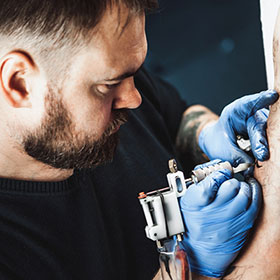
A henna tattoo represents celebration, protection, and personal expression through temporary art. It symbolizes joy, transition, and meaningful moments rather than permanence. Often associated with special occasions and life changes, this design reflects beauty with intention and respect for tradition.
Henna also carries a sense of care, patience, and mindfulness in its creation. Many people choose henna-style tattoos to express creativity, cultural appreciation, and marking important phases of life.
Henna Tattoo Meaning
- Celebration: Henna symbolizes joy and festivity, ideal for someone who values meaningful moments.
- Life Transitions: Often used during major changes, fitting people marking new chapters.
- Protection: Traditional henna is linked to symbolic protection, ideal for someone seeking positive energy.
- Personal Expression: The designs reflect individuality, suiting people who express themselves through art.
- Beauty with Intention: Henna represents thoughtful decoration, perfect for someone who values meaning over excess.
- Mindfulness & Patience: The process reflects calm and care, ideal for someone grounded and intentional.
- Cultural Appreciation: A henna tattoo can honor tradition and heritage, fitting those who respect cultural symbolism.
- Impermanence: Its temporary nature reflects living in the moment, ideal for someone embracing change.
- Inner Joy: Henna designs often symbolize happiness and positivity, perfect for someone drawn to uplifting energy.
Origins Of Henna Tattoos
Henna tattoos have a rich past that stretches back thousands of years. These beautiful designs are not just body art. They carry deep meaning and tradition in many cultures. Understanding where henna tattoos began helps us appreciate their true value and charm.
Historical Roots
Henna use dates back to ancient times. It was first used in Egypt around 5000 years ago. People applied henna to dye hair and skin. It also served as a symbol of beauty and protection. The tradition spread through India, the Middle East, and Africa. Each region added its unique style and meaning to henna art.
Cultural Significance
Henna tattoos hold important roles in many cultures. They are often used in celebrations like weddings and festivals. In India, brides wear henna to bring luck and happiness. In the Middle East, henna marks special occasions and rites of passage. Many believe henna protects against evil spirits. It also represents joy, fertility, and good health.
:max_bytes(150000):strip_icc()/hennabybianchi_1588614621_2301788730812114268_2033161495-2d5a478988cb426a829f7c044dff6e7a.jpg)
Credit: www.byrdie.com
Symbolism In Henna Designs
Henna designs carry deep meanings beyond their beauty. Each pattern tells a story or holds a special wish. These symbols connect tradition, culture, and personal expression. Understanding the symbolism helps appreciate henna’s rich heritage.
Common Motifs
Many henna motifs appear again and again. Flowers often symbolize joy and happiness. Leaves and vines represent growth and renewal. Paisleys stand for fertility and luck. Circles and dots show unity and wholeness. Each shape has a unique meaning in henna art.
Spiritual Meanings
Henna also holds spiritual significance. It is used to bring protection against evil. Designs can invite blessings and good fortune. Some patterns represent the divine or sacred energy. Henna rituals often mark important life events or new beginnings. This spiritual side makes henna more than just decoration.
Henna In Different Cultures
Henna holds a special place in many cultures worldwide. It is more than just a body art form. Henna carries deep meanings and traditions that differ across regions. Its use reflects cultural identity, celebrations, and spiritual beliefs. Understanding henna in different cultures reveals its rich history and varied significance.
Middle Eastern Traditions
In the Middle East, henna symbolizes joy and protection. It is often used during weddings and festivals. Brides get intricate henna designs on their hands and feet. These patterns bring good luck and happiness to the marriage. Henna also serves as a shield against evil spirits. The art is both a celebration and a spiritual ritual.
South Asian Practices
South Asia embraces henna as a vital part of life events. Weddings are the main occasion for henna application. The bride’s hands and arms display detailed and complex designs. Henna marks beauty, love, and prosperity. It is also used in religious festivals and family gatherings. The temporary tattoos strengthen bonds and celebrate cultural heritage.
African Influences
African cultures use henna for body decoration and spiritual purposes. The designs differ by region and tribe. Henna often marks rites of passage and special ceremonies. It connects people to their ancestors and traditions. The art expresses identity and community pride. Henna here blends art, culture, and spirituality uniquely.

Credit: mihenna.com
Henna Tattoo Techniques
Henna tattoo techniques vary by culture and style. These techniques influence the final look and meaning of the design. Each method has its own way of applying and creating patterns.
Application Methods
Henna paste is made from the powdered leaves of the henna plant. Artists apply it using cones, brushes, or sticks. The cone is the most common tool, like a small icing bag. It allows for precise and detailed designs.
Some artists use a brush for larger or bolder shapes. Others use a stick to draw fine lines and dots. The paste dries on the skin for several hours. After peeling off, it leaves a reddish-brown stain.
Design Styles
Henna designs differ by region and tradition. Indian styles have detailed and intricate patterns. These include paisleys, flowers, and fine lines.
Arabic henna features bold, flowing designs with large floral patterns. African henna tends to use geometric shapes and thick lines. Each style carries unique cultural meanings and beauty.
Modern Interpretations
Henna tattoos have evolved far beyond their traditional roots. Today, people use henna in fresh and creative ways. The meaning of henna tattoos has grown and changed. It blends old customs with new ideas. This section explores how modern culture shapes henna art and its meanings.
Contemporary Trends
Modern henna designs often mix classic patterns with new styles. Geometric shapes and minimalistic lines are popular now. Some artists use henna to mimic jewelry or lace. This style fits well with casual and formal looks. Temporary henna tattoos appeal to many who want art without pain. They offer a way to try out body art safely.
Henna As Personal Expression
People use henna tattoos to show their personality. Each design can tell a story or reflect feelings. Many choose symbols that mean something special to them. Others create unique patterns that stand out. Henna becomes a way to express identity and creativity. It connects tradition with personal style in a meaningful way.
Care And Longevity
Henna tattoos are beautiful but need care to last longer. Proper care keeps the color rich and clear. Without care, the design fades quickly. Understanding how to care for your henna helps you enjoy it fully.
Aftercare Tips
Leave the henna paste on your skin for at least 4 hours. The longer, the better. Avoid washing the area with water during this time. After removing the dried paste, apply natural oils like coconut or olive oil. Oils protect the henna and lock in color. Keep the tattoo dry for the first 24 hours. Avoid scrubbing or rubbing the design.
Fading And Removal
Henna fades naturally over one to three weeks. The skin sheds old cells, causing the tattoo to disappear. Avoid using harsh soaps or exfoliants on the tattoo. These speed up fading. To remove henna faster, soak the area in warm water and gently scrub. Patience is key; henna fades gradually without damage to skin.
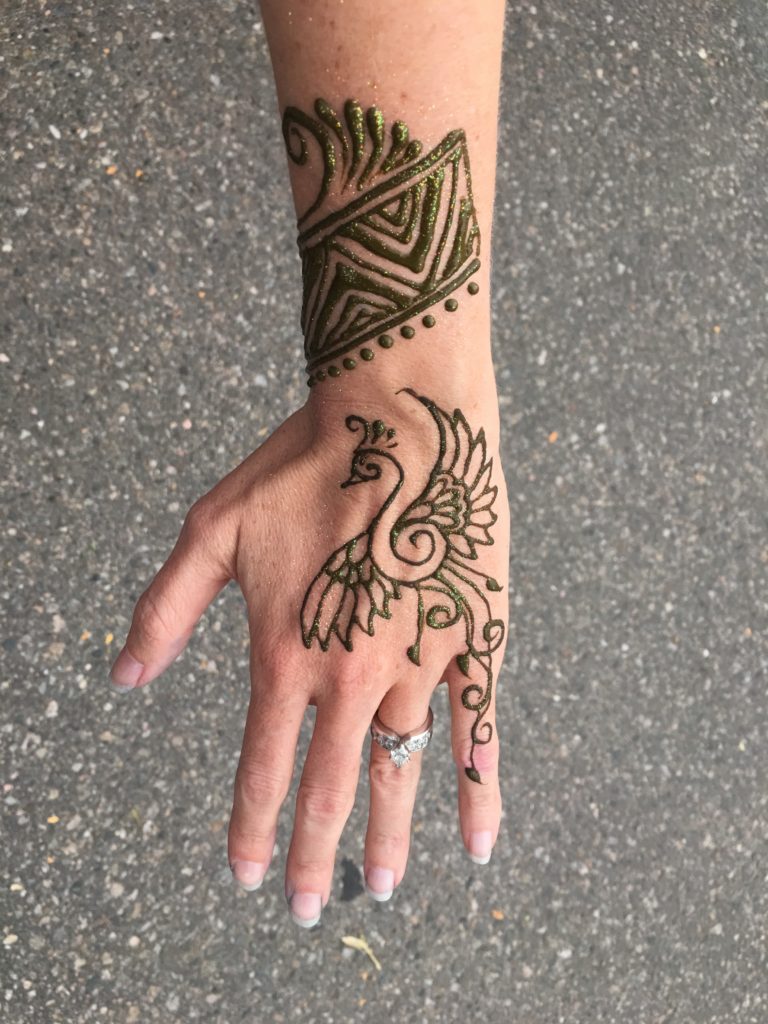
Credit: kidsfunpartyideas.com
Conclusion
Henna tattoos carry deep cultural and personal meanings. They often symbolize joy, protection, and celebration. Many people choose henna to express beauty and tradition. Each design tells a unique story or wish. Understanding henna’s meaning adds to its charm. It connects people to history and art.
Whether for fun or ritual, henna leaves a lasting impression. Embrace its beauty and the meanings it holds. A simple design can speak volumes without words. Henna tattoos remain a timeless form of expression.