An open hand says “stay back” without raising its voice. A Hamsa tattoo meaning is most often linked to protection, good fortune, and keeping negative energy away, making it a popular choice for people who want a spiritual-style shield on their skin.
It can also represent blessings, guidance, and staying steady through life’s ups and downs. Whether the hand includes an eye, patterns, or simple linework, the Hamsa is often worn as a reminder to guard your peace and welcome better energy.
Hamsa Tattoo Meaning
- Protection From Negativity: The Hamsa is widely used as a protective symbol against harmful energy. It’s ideal for someone who wants a strong “shield” tattoo for peace of mind.
- Good Luck & Blessings: Many wear it to invite fortune and positive outcomes. Suits people who like carrying a hopeful symbol that feels uplifting.
- Safety & Guidance: The open hand can represent being guided and kept safe through uncertainty. Great for someone who wants a steady reminder that they’re not alone.
- Strength & Resilience: The Hamsa can symbolize staying firm when life tries to shake you. It fits people who’ve survived hard seasons and built stronger boundaries.
- Spiritual Faith: For some, it represents personal faith and spiritual connection. Ideal for someone who practices prayer, meditation, or trusts a higher power.
- Peace & Calm: The balanced hand shape can stand for harmony and a calmer mindset. Perfect for someone protecting their mental space and choosing tranquility.
- Awareness & Intuition: When shown with an eye, it can symbolize insight, clarity, and trusting your gut. Suits people who rely on intuition and stay alert to red flags.
- Setting Boundaries: The “stop” gesture can represent saying no and keeping your space respected. Great for someone who’s done overgiving and wants stronger limits.
Credit: www.inklocations.com
Hamsa Origins
The Hamsa tattoo carries a rich history that dates back thousands of years. It is a symbol recognized across various cultures and religions. Its origins reveal deep spiritual and protective meanings. Understanding these origins helps to appreciate the tattoo’s power and charm.
Historical Roots
The Hamsa symbol appeared in ancient Mesopotamia and Egypt. It often represented protection against evil forces. The hand shape resembles an open palm, sometimes with an eye in the center. This design aimed to ward off harm and bring good luck. Over time, it spread through different civilizations and religions. Each added their own meanings and styles to the symbol.
Cultural Significance
The Hamsa holds importance in Judaism, Islam, and Christianity. In Judaism, it is called the Hand of Miriam, symbolizing protection and strength. Muslims refer to it as the Hand of Fatima, linked to faith and patience. Many Christians see it as a sign of God’s hand guarding people. Beyond religion, the Hamsa also represents unity and peace. It connects people through shared hopes for safety and happiness.

Credit: healing-sounds.com
Symbolic Elements
The Hamsa tattoo carries deep symbolic elements. Each part of the design holds special meaning. These elements combine to create a powerful symbol of protection and good fortune. Understanding these parts helps appreciate the tattoo’s full significance.
Hand Shape
The hand shape is the core of the Hamsa tattoo. It often shows an open palm with five fingers. This open hand represents protection against harm. It also symbolizes blessings, strength, and power. The shape invites positive energy while blocking negative forces.
Eye Symbol
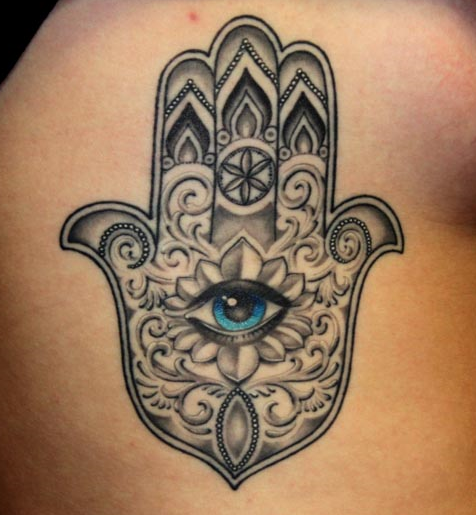
The eye is usually placed in the center of the hand. It is known as the “evil eye.” This eye watches over the wearer, guarding against jealousy and bad luck. It brings awareness and protection from unseen dangers. The eye adds a watchful, protective quality to the tattoo.
Additional Motifs
Many Hamsa tattoos include extra designs like flowers, fish, or stars. Flowers often represent life and growth. Fish can symbolize luck and abundance. Stars may stand for guidance and hope. These motifs enhance the tattoo’s meaning and beauty.
Spiritual Meanings
The Hamsa tattoo holds deep spiritual meanings across many cultures. It is more than a design. It serves as a symbol of faith and protection. People wear it to feel connected to higher powers. The Hamsa also offers hope and comfort in difficult times.
This sacred symbol carries rich layers of significance. It inspires strength and calmness. The spiritual meanings of the Hamsa reveal its powerful role in life and belief.
Protection And Luck
The Hamsa is famous for guarding against evil and harm. It acts as a shield to keep negative energy away. Many believe it brings good luck and fortune. Wearing a Hamsa tattoo invites safety and positive vibes. It reminds people that protection surrounds them always.
Divine Connection
The Hamsa links the wearer to divine forces. It symbolizes the presence of God or spiritual guides. This connection offers guidance and wisdom. The tattoo helps people feel less alone. It strengthens faith and trust in the universe’s plan.
Healing Powers
Healing is another key meaning of the Hamsa. The symbol supports emotional and spiritual recovery. It encourages peace and balance inside the mind and heart. People believe the Hamsa can help overcome pain. It promotes harmony and well-being every day.
Hamsa Tattoo Styles
The Hamsa tattoo is more than a symbol. It reflects culture, protection, and style. People choose different styles to show their meaning and taste. The design can be simple or detailed. It can fit any personality or belief.
Exploring Hamsa tattoo styles helps you find the perfect match for your skin. Each style tells a unique story. The choice depends on what you want to express and how you want it to look.
Traditional Designs
Traditional Hamsa tattoos follow classic shapes and symbols. They often have symmetrical fingers and an eye in the center. These designs come from old Middle Eastern and North African art. They carry deep spiritual meanings and protect against bad energy. Lines are clean and patterns are clear. This style suits those who want a timeless, meaningful tattoo.
Modern Interpretations
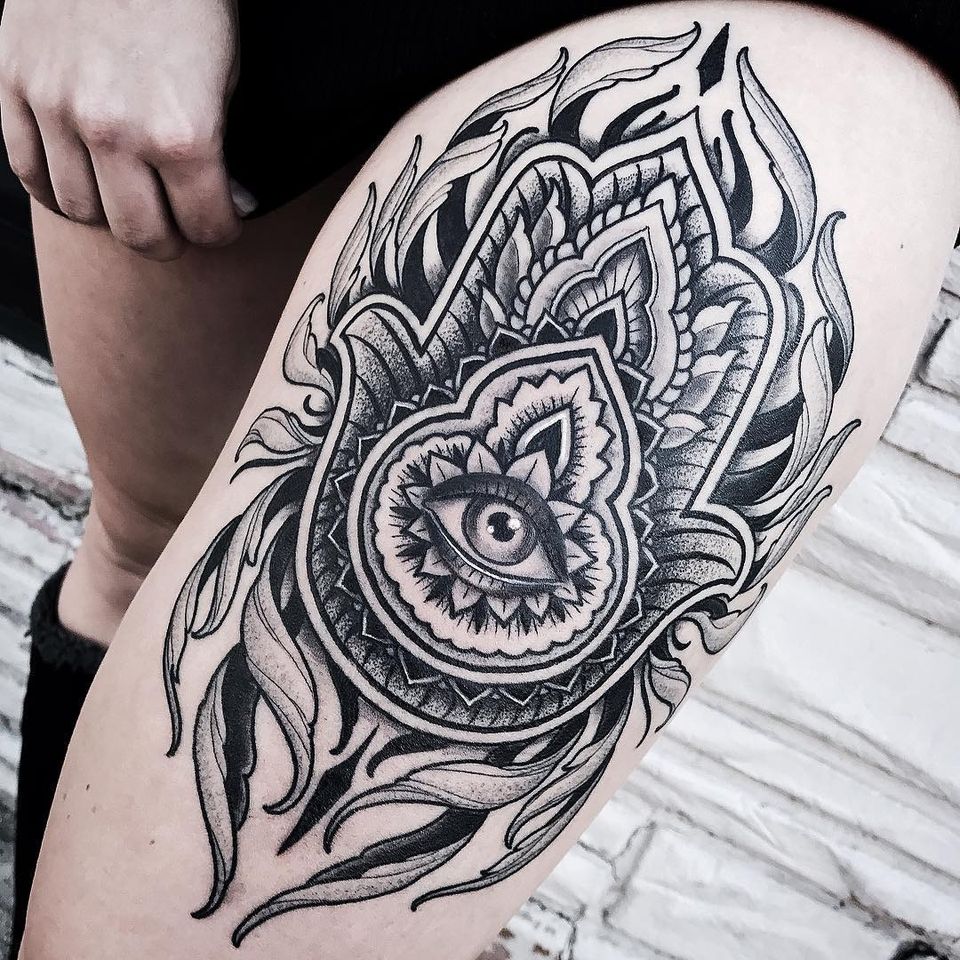
Modern Hamsa tattoos mix old ideas with new art styles. They may use abstract shapes or combine the Hamsa with other symbols. Some artists add geometric patterns or tribal elements. This style feels fresh and personal. It fits people who want to show creativity and individuality. The design can be large or small, simple or complex.
Color Choices
Color plays a big role in Hamsa tattoos. Traditional tattoos often use black or dark ink for boldness. Adding blue can represent protection and calm. Bright colors like red or yellow bring energy and joy. Some prefer soft pastels for a gentle look. Color choice changes the tattoo’s mood and meaning. It helps to express your personality and feelings.
Placement And Size
The placement and size of a Hamsa tattoo greatly affect its meaning and impact. Choosing the right spot on your body can enhance the symbolism behind this ancient design. Size also matters. A small Hamsa can be subtle and personal. A larger one can make a strong statement.
Many people think about where the tattoo will be seen the most. Others prefer a hidden spot for privacy. The size can depend on the location and your comfort. Understanding popular placements helps in making the best choice.
Popular Locations
The wrist is a common place for a Hamsa tattoo. It is easy to see and shows protection. Many choose the forearm for a bigger design. This spot allows for clear detail and visibility.
The back of the hand is another popular location. It symbolizes guarding against bad luck. Some prefer the shoulder or chest for a larger tattoo. These areas offer more space for intricate patterns.
Ankle and behind the ear are smaller spots. They suit tiny, delicate Hamsa tattoos. These placements are subtle but still meaningful.
Symbolism By Placement
A wrist tattoo of the Hamsa often means personal protection. It is close to the pulse, symbolizing life and energy. A hand or finger placement can represent power and defense.
The chest or back placement connects with the heart or spirit. It shows deep faith and inner strength. A tattoo on the ankle or foot can mean a safe journey.
Each placement brings a unique layer of meaning. Size also influences this. A larger tattoo draws more attention to the protective qualities. A smaller one acts as a quiet charm.
Cultural Respect
The Hamsa tattoo carries deep cultural and spiritual meaning. It represents protection, peace, and good fortune in many traditions. Respecting its origins is important for honoring the cultures behind it. Understanding cultural respect helps avoid harm or misunderstanding.
Avoiding Appropriation
Using a Hamsa tattoo without knowing its background can hurt feelings. Appropriation means taking a symbol without respect for its culture. Learn about the Hamsa’s history before getting the tattoo. This shows care and respect for the cultures that value it.
Meaningful Use
Choose a Hamsa tattoo for reasons that matter to you. Connect with its ideas of protection and peace. Share what the symbol means to you with others. This keeps the tattoo’s spirit alive and honors its true value.
Personal Stories
Personal stories about Hamsa tattoos often reveal deep connections and meanings. These stories show why people choose this symbol on their skin. The Hamsa is more than just a design. It carries history, protection, and hope for many individuals.
Each tattoo tells a unique tale. Some find strength in its protective power. Others see it as a sign of peace or faith. These personal experiences give life to the symbol.
Tattoo Experiences
Many people share their first moments with a Hamsa tattoo. Some describe feeling calm during the tattoo session. Others remember a strong sense of protection afterward. The tattoo often marks an important life event.
For some, the Hamsa tattoo becomes a daily reminder. It helps them stay positive and safe. The simple shape can inspire courage and hope. Many wear it to honor family or culture.
Symbolic Impact
The Hamsa carries powerful meanings in many cultures. It stands for protection against evil and bad luck. People report feeling safer and more confident after getting this tattoo.
Others feel a deep spiritual connection to the Hamsa. It serves as a symbol of peace and unity. The tattoo can also represent personal growth and healing. This impact often goes beyond the design itself.
Credit: www.tattoodo.com
Conclusion
The Hamsa tattoo holds deep meaning for many people. It stands for protection, luck, and peace. People choose it to feel safe and positive. Its design is simple but powerful. Many cultures respect the Hamsa symbol. Wearing it reminds us to stay strong and hopeful.
This tattoo fits well on any part of the body. It suits both men and women. The Hamsa tattoo is more than art; it’s a personal symbol. A timeless choice for those who believe in good energy.