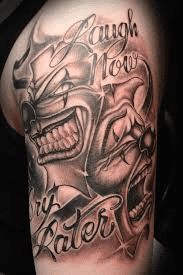
Two faces tell the story in one glance: Smile Now Cry Later tattoos symbolize keeping it together in public while dealing with real emotions in private. The design often reflects resilience, pride, and the ability to push through pressure without showing every struggle.
Many people choose it to represent duality—joy and pain, confidence and vulnerability, winning and losing. It can also be a reminder that life comes in phases, and sometimes you wear the smile today so you can process the hurt when you’re safe.
Smile Now Cry Later Tattoo Meaning
- Hiding Pain Behind a Smile: The faces can represent looking fine on the outside while carrying weight inside. It suits someone who’s been strong for others even when it cost them.
- Life’s Duality: This tattoo symbolizes how happiness and sadness can exist at the same time. Ideal for someone who accepts that life is complex and not always one mood.
- Resilience Under Pressure: Smiling through stress can represent toughness and survival mode. Great for someone who endured hard times and stayed standing.
- Public Face vs Private Self: The design can show the gap between what people see and what you really feel. It fits people who keep their personal life guarded and controlled.
- Emotional Release Later: “Cry later” can symbolize delaying breakdowns until you’re safe enough to feel them. Perfect for someone learning that strength and vulnerability can coexist.
- Street Pride & Hard Lessons: Many wear it to mark a life shaped by struggle, loyalty, and real-world experience. It suits someone who’s been through the trenches and learned fast.
- Protecting Your Heart: The smile can act like armor, showing you don’t hand out feelings easily. Ideal for someone who loves deeply but trusts carefully.
- Balance of Humor & Hurt: Some connect it to using humor to cope with pain. Great for someone who laughs loud but feels even deeper.
- A Reminder of Growth: It can symbolize how you’ve moved through dark moments and still found light. It’s for someone who wants their journey—both faces included—honored.
Origins Of The Smile Now Cry Later Tattoo
The Smile Now Cry Later tattoo has a deep and rich history. It shows two masks: one smiling and one crying. These masks symbolize the balance of joy and sorrow in life. The tattoo reminds people to accept both emotions as part of the human experience.
This tattoo style first appeared in theater and art. It is linked to the ancient Greek masks used in plays. These masks represented comedy and tragedy. Over time, the design took on new meanings in different cultures.
Theatrical Roots Of The Tattoo
The Smile Now Cry Later design comes from theater masks. These masks helped actors show emotions to the audience. The smiling mask stood for comedy and happiness. The crying mask symbolized tragedy and sadness. Together, they told a full story of life’s ups and downs.
Connection To Mexican Culture
The tattoo also has ties to Mexican traditions. It is often linked to the Day of the Dead festival. This holiday honors loved ones who have passed. The masks remind people to celebrate life and mourn loss. This cultural meaning adds depth to the tattoo’s symbolism.
Modern Adaptations And Popularity
Today, the tattoo has grown in popularity worldwide. Many people see it as a reminder to stay strong. It encourages embracing happiness and facing sadness. The design appears in many styles and colors. It remains a powerful symbol of life’s dual nature.
Symbolism Behind The Masks
The “Smile Now Cry Later” tattoo features two masks that represent deep meaning. These masks show the complex feelings people face every day. Each mask tells a story about human emotions and life’s journey. Understanding the symbolism behind these masks helps reveal their true message.
Duality Of Emotions
The two masks show opposite emotions: happiness and sadness. One mask smiles, the other cries. This contrast represents how people experience joy and pain together. It reminds us that emotions are not simple. They often exist side by side in life.
These masks also reflect the balance people try to keep. Smiling through hard times. Crying after moments of joy. The tattoo captures this mix of feelings in a powerful way.
Life’s Ups And Downs
Life is full of good and bad moments. The masks symbolize this constant change. The smiling mask stands for success and happy times. The crying mask shows struggle and loss.
This tattoo tells a story of resilience. It shows how people handle challenges and celebrate victories. Wearing this tattoo means accepting life’s ups and downs with courage and hope.
Cultural Significance
The Smile Now Cry Later tattoo holds deep cultural meaning. It reflects the balance of joy and sorrow in life. This symbol has roots in different cultures and carries stories of human emotions. Understanding its cultural significance reveals why it remains popular today.
People use this tattoo to show that life has both happy and sad moments. It reminds us to accept all feelings and keep going. The design connects to art, theater, and street culture, giving it rich history and meaning.
Roots In Theater And Art
The Smile Now Cry Later image comes from classic theater masks. These masks represent comedy and tragedy. Actors wore them to show different emotions on stage. The smiling mask stands for joy and laughter.
The crying mask shows sadness and pain. These masks helped audiences understand the story without words. Artists later used these faces to symbolize life’s ups and downs. This tradition dates back to ancient Greece and Rome.
Connections To Street Culture
The tattoo also has strong ties to street and urban culture. It became popular in communities facing hard times. The symbol shows strength in dealing with both good and bad experiences.
Many people in these communities use the tattoo to express their life stories. It acts as a reminder to stay strong through struggles. The design often appears in graffiti and music art too. This link to street culture gives the tattoo a powerful voice.
Personal Interpretations
The “Smile Now Cry Later” tattoo holds deep meaning for many people. It shows a mix of emotions and life lessons. Each person sees this tattoo differently. Some see it as a symbol of hope. Others see it as a reminder of life’s ups and downs.
This tattoo often reflects personal stories and feelings. Its meaning can change based on someone’s life journey. Below are two common personal interpretations.
Overcoming Struggles
This tattoo can represent overcoming hard times. The smiling face shows strength and a positive spirit. The crying face shows past pain and challenges. Together, they remind people to stay strong. It tells a story of fighting through difficulties and winning.
Celebrating Resilience
Many see this tattoo as a sign of resilience. It shows the ability to keep going despite hardships. The smile means joy and success after pain. The tear reminds of lessons learned. This tattoo honors the courage to face life’s challenges with hope.
Design Variations
Smile Now Cry Later tattoos come in many design styles. Each style offers a unique way to express deep emotions. These tattoos use masks showing joy and sadness. The design can be simple or detailed, small or large. Different choices make each tattoo special and personal.
People often choose different colors and add extra elements. These changes give the tattoo more meaning and style. The design can suit different tastes and stories.
Color Choices
Colors change the mood of the tattoo. Black and gray show a classic and serious tone. Bright colors like red or blue make the tattoo stand out. Some use soft pastels for a gentle look. Color choice can highlight the happy or sad mask. It helps express what the wearer feels inside.
Incorporating Other Elements
Extra elements add more story to the tattoo. Some include roses to show love or loss. Clocks or hourglasses symbolize time passing. Skulls may represent life and death together. Flames or water can show strong emotions or calmness. These additions make the tattoo deeper and more personal.

Placement Ideas
Choosing the right place for a Smile Now Cry Later tattoo affects its look and meaning. Placement can show different sides of the tattoo’s story. Think about where you want others to see it and how often you want to see it yourself. The location can also change how bold or subtle the tattoo feels.
Popular Body Areas
The face is a bold place for this tattoo, often near the eyes or cheeks. It fits well on the forearm, making it easy to show off. Many choose the wrist for a small, simple design. The chest is great for larger tattoos and personal meaning. Some prefer the back of the neck for a hidden but powerful look. Each area brings a unique style to the tattoo.
Visibility And Impact
Visible places like hands or forearms make a strong statement. They show the tattoo’s message clearly to others. Hidden spots like the ribs or upper thigh keep the tattoo private. These spots allow personal reflection on the tattoo’s meaning. Consider your lifestyle and work before picking a visible spot. The right placement balances your comfort and the tattoo’s impact.
Famous Examples
Many people choose the Smile Now Cry Later tattoo to show life’s ups and downs. Famous figures like athletes and artists often wear it. This design tells a story of strength and emotion in a simple way.
The Smile Now Cry Later tattoo has appeared on many notable people. This design often shows two masks: one smiling, one crying. It represents the ups and downs of life. Celebrities and artists use it to share deep emotions.
These tattoos are popular in music and sports. They tell stories of joy and pain. Seeing famous examples helps understand the tattoo’s meaning better.
Anthony Davis
NBA star Anthony Davis has a Smile Now Cry Later tattoo on his face. It shows his journey through highs and lows in basketball. His tattoo speaks about strength and resilience. Fans admire how it reflects his life’s challenges.
Post Malone
Post Malone, the rapper, also sports this tattoo style. His version shows a mix of happiness and sadness. It matches his music’s themes of struggle and success. The tattoo connects deeply with his fans.
Other Celebrities
Many other stars choose this tattoo for its powerful message. Actors, musicians, and athletes use it to express real feelings. It symbolizes the balance of good times and bad times. The tattoo remains a strong symbol in pop culture.
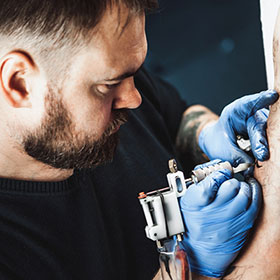
Choosing The Right Tattoo Artist
Finding a tattoo artist who understands the meaning behind the Smile Now Cry Later design is important. A skilled artist ensures your tattoo looks clear and reflects its deep message. Choose someone with experience in detailed, expressive tattoos for the best results.
Researching Artist Portfolios
Choose an artist who shows skill in detailed work. The Smile Now Cry Later tattoo needs clear lines and strong contrasts. Check portfolios online or in studios. Look for tattoos with sharp, clean edges and balanced shading. This style demands precision. An artist’s past work reveals their ability.
Reading Reviews And Testimonials
Read what past clients say about the artist. Honest reviews give insight into professionalism and hygiene. Pay attention to comments about the tattoo’s lasting quality. A good artist listens and makes clients comfortable. Positive feedback shows trust and satisfaction.
Visiting The Studio
Visit the tattoo studio before booking. A clean, safe environment is important. Notice the tools and setup. Ask about sterilization practices. Friendly staff and a welcoming atmosphere make the experience better. Feeling at ease helps during tattooing.
Discussing Your Design
Talk with the artist about your Smile Now Cry Later idea. A good artist offers advice to improve the design. They explain the process and care instructions. Clear communication avoids misunderstandings. You want the tattoo to match your vision perfectly.
Conclusion
The Smile Now Cry Later tattoo tells a story of life’s ups and downs. It shows how joy and pain often come together. Many wear it as a reminder to stay strong through hard times. The design blends happiness and sadness in a simple way.
It speaks to people who know both smiles and tears. Choosing this tattoo means embracing all parts of life. It’s a powerful symbol with deep meaning. This tattoo keeps emotions real and honest. A timeless choice for those who value balance.