
Plague doctor tattoos represent mortality, protection, and confronting fear head-on.
They symbolize awareness of death while choosing resilience and survival in uncertain times.
This design often reflects strength in the face of danger, emotional armor, and respect for human fragility.
Rather than glorifying illness, the image highlights caution, endurance, and learning from hardship.
It is commonly chosen to mark survival, personal boundaries, or a reminder to stay prepared and aware.
The figure itself represents standing firm when the world feels unpredictable.
Plague Doctor Tattoo Meaning
- Mortality Awareness: This tattoo symbolizes acceptance of life and death, ideal for someone who values perspective and living consciously.
- Protection: The mask represents guarding oneself from harm, suiting people who prioritize emotional or personal boundaries.
- Facing Fear: This design reflects confronting danger directly, perfect for someone who refuses to avoid hard truths.
- Resilience: It represents endurance during dark times, ideal for someone who has survived prolonged struggles.
- Caution & Preparedness: The image symbolizes staying alert and protected, fitting for people who plan ahead in life.
- Inner Strength: Covered and composed, the figure reflects calm under pressure, suiting someone who stays steady in chaos.
- Survival: Often linked to overcoming threats, this tattoo is ideal for someone who made it through a difficult period.
- Mystery: The concealed face symbolizes the unknown, perfect for someone drawn to depth and hidden layers.
- Individuality: Uncommon and striking, it suits people who embrace standing apart from the crowd.
Origins Of The Plague Doctor
The origins of the plague doctor go back to the times of the bubonic plague. These doctors played a crucial role in treating and understanding the deadly disease. Their unique look and tools have made them a symbol of fear and mystery. The plague doctor tattoo often reflects this deep history and the meaning behind their work.
Historical Role And Attire
Plague doctors were hired to care for plague victims. They tried to protect themselves from infection while treating the sick. Their outfits were designed for safety. They wore long coats made of waxed fabric to keep germs away. Their gloves and boots covered their skin fully. This outfit made them stand out in history and art.
The Beaked Mask Symbolism
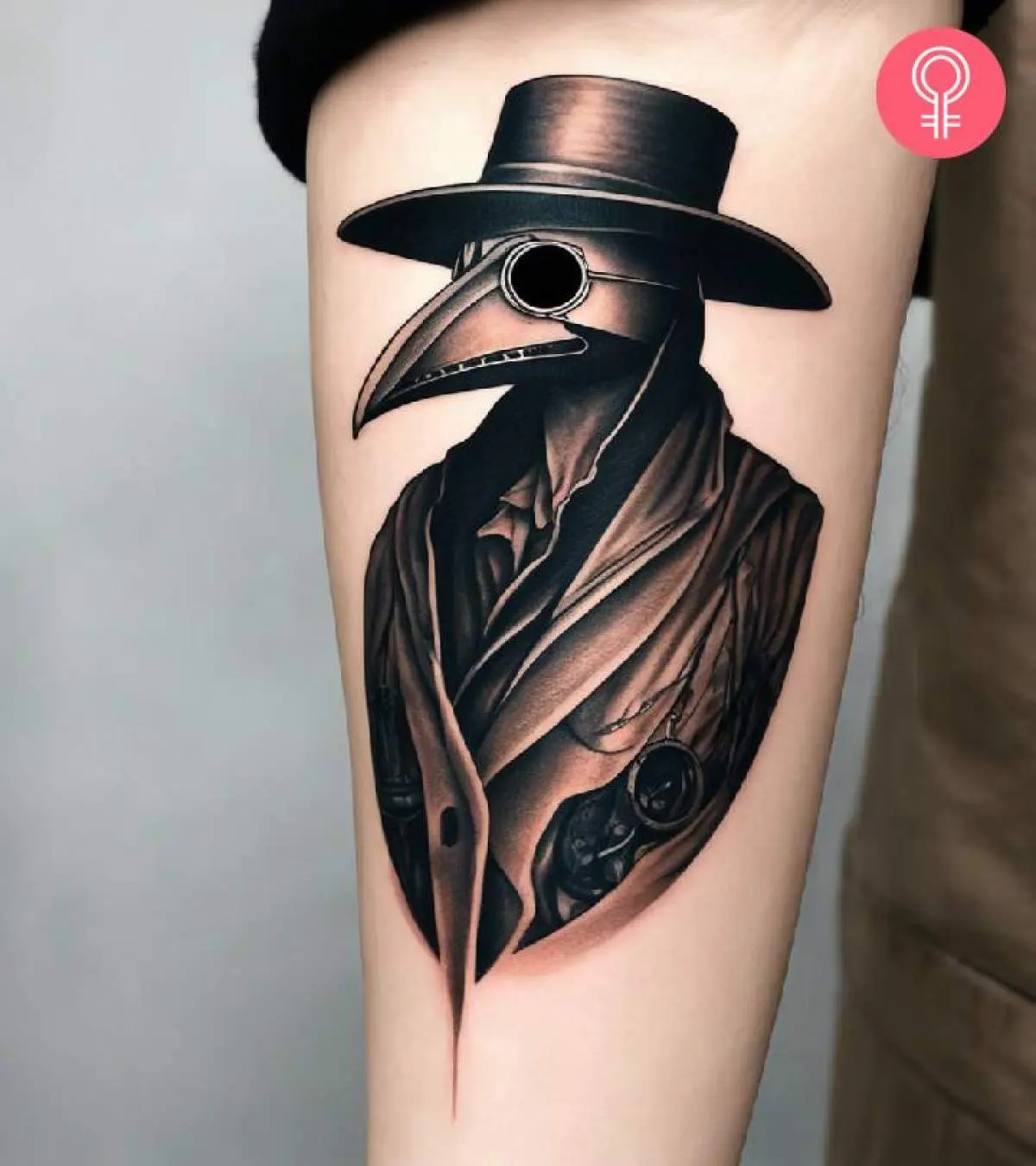
The beaked mask is the most famous part of the plague doctor’s outfit. The mask’s long nose held herbs and spices. People believed these herbs would clean the air and stop the disease. The mask also had glass eyes to protect the wearer. It became a symbol of death, mystery, and protection. Many choose the plague doctor tattoo to show strength and resilience.
Credit: www.stylecraze.com
Dark History Behind The Plague Doctor
The plague doctor mask is more than just a creepy costume. It holds a dark history tied to death and fear. This symbol represents a time when disease swept across Europe and changed lives forever.
People wore these masks during one of the deadliest periods in history. The design and use of the plague doctor reveal much about how people tried to fight illness and death. Understanding this background adds meaning to the tattoo today.
The Black Death Era
The Black Death struck Europe in the 14th century. It killed millions and caused widespread panic. Plague doctors wore bird-like masks filled with herbs. They believed these herbs protected them from bad air and disease.
The mask had a long beak, glass eyes, and a black cloak. Doctors used long sticks to examine patients. They avoided touching the sick directly. Their strange outfit became a symbol of death and the fight against the plague.
Plague Doctors In Folklore
Plague doctors also appear in many old stories and myths. People saw them as both healers and harbingers of doom. Their eerie look made them figures of fear and mystery.
In folklore, the plague doctor represents death’s presence and the thin line between life and death. This image still captures the imagination and inspires many tattoo designs today.
Symbolic Meanings Of Plague Doctor Tattoos
Plague doctor tattoos carry deep meanings that go beyond their eerie look. These tattoos remind us of history, human fears, and hope. Each symbol in the design tells a story about protection, death, and mystery. People choose this tattoo to express powerful ideas and emotions.
Protection And Healing
The plague doctor mask was worn to protect against disease. It symbolizes safety and healing in hard times. Wearing this tattoo can show a wish to guard oneself or others. It also honors those who help heal and care for the sick.
Mortality And Fear
The image of the plague doctor connects to death and illness. It reminds us how fragile life can be. This tattoo can express fear of death or respect for life’s limits. It often represents facing fears head-on and accepting mortality.
Mystery And The Unknown
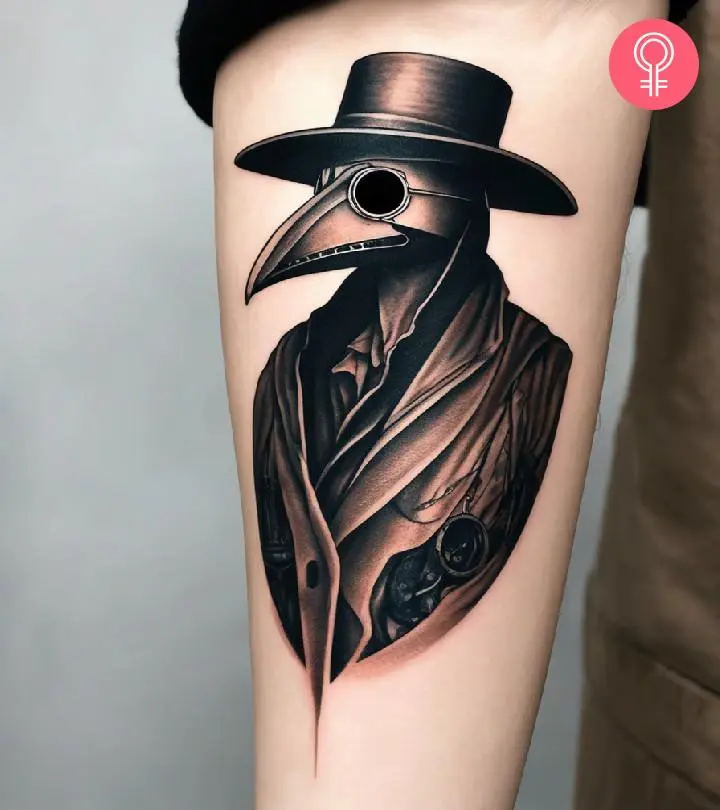
The dark, hidden face of the plague doctor inspires curiosity and fear. It stands for the unknown and secrets of the past. This tattoo can symbolize a love for mystery or the unseen parts of life. It invites questions about history and human nature.
Credit: www.stylecraze.com
Design Variations And Styles
The plague doctor tattoo offers many design options. These designs vary from old-school to new styles. Each style shows different ideas and feelings. Some tattoos look dark and mysterious. Others mix history with art in fresh ways. This variety makes the plague doctor tattoo popular for many people. It can suit many tastes and meanings.
Traditional Vs Modern Interpretations
Traditional plague doctor tattoos often show the classic beaked mask. The masks look long and pointed. Black robes and hats are common too. These tattoos usually have simple colors and clear lines. They feel old and spooky. They remind us of history and fear of disease.
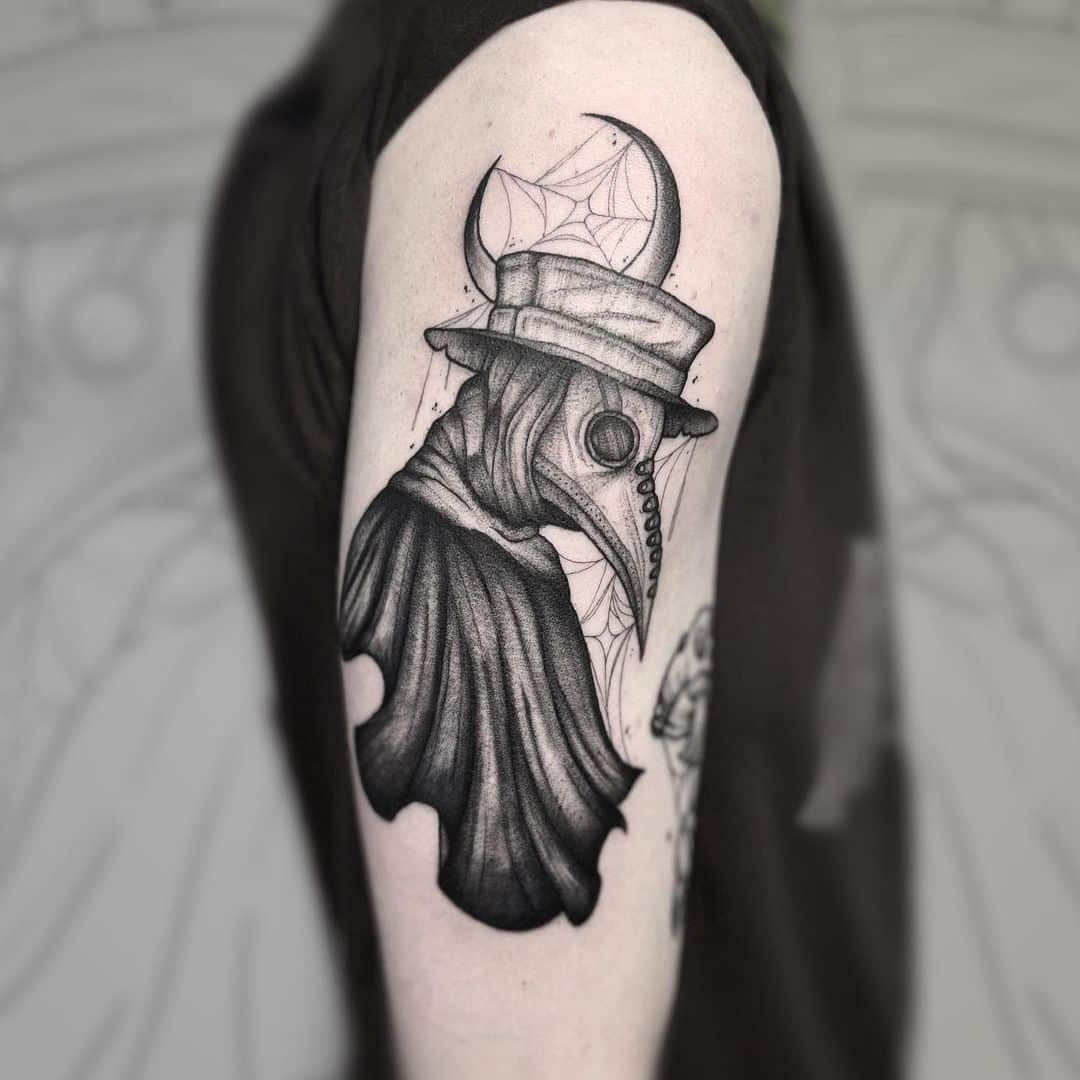
Modern plague doctor tattoos change this look. They add bright colors and new shapes. Some show the doctor in action or in strange scenes. Artists mix styles like realism or cartoon. These tattoos can feel more personal and creative. They also let people add their own story or message.
Incorporating Elements Like Ravens And Skulls
Ravens are common in plague doctor tattoos. They symbolize mystery and death. Ravens add a dark, eerie mood to the tattoo. Skulls also appear often. They remind us of mortality and the past. Together, these elements make the tattoo stronger in meaning.
Some tattoos show ravens flying around the doctor. Others place skulls near the doctor’s feet or hands. These details create depth and interest. They make the tattoo more unique and eye-catching. These symbols connect the wearer to themes of life, death, and protection.
Why People Choose Plague Doctor Tattoos
Plague doctor tattoos have grown popular for many reasons. People choose this design for its deep meaning and unique look. The tattoo reflects history and human spirit. It tells stories of struggle and hope. Many find a personal link to the past in this symbol.
Personal Connection To History
The plague doctor mask is a sign of the past. It reminds people of the time of the Black Death. Some choose this tattoo to honor their ancestors. Others feel a strong link to history through this image. The tattoo keeps memories alive in a creative way.
Expression Of Strength And Survival
The plague doctor symbol shows power and survival. It stands for fighting through hard times. People wear this tattoo to show their strength. It can be a sign of overcoming pain and fear. This design tells a story of hope and courage.
Credit: inkhappened.com
Conclusion
Plague doctor tattoos carry deep meanings tied to history and protection. They remind us of strength during dark times. Many see them as symbols of healing and survival. The design’s old look adds mystery and charm. Choosing this tattoo shows respect for past struggles.
It also speaks to courage and resilience today. Such tattoos invite stories and personal meaning. They connect wearers to a time of challenge and hope. A plague doctor tattoo is more than art. It is a powerful symbol with rich history and meaning.